Whale Research:
Why study whales?
Whales are important species in the Gulf of Maine, and their health can serve as indicators of the health of the Gulf of Maine overall. The data we collect is unique and can provide valuable information that can help resource managers develop policies that ensure the health of whales and the Gulf of Maine as a whole.
Marine mammals
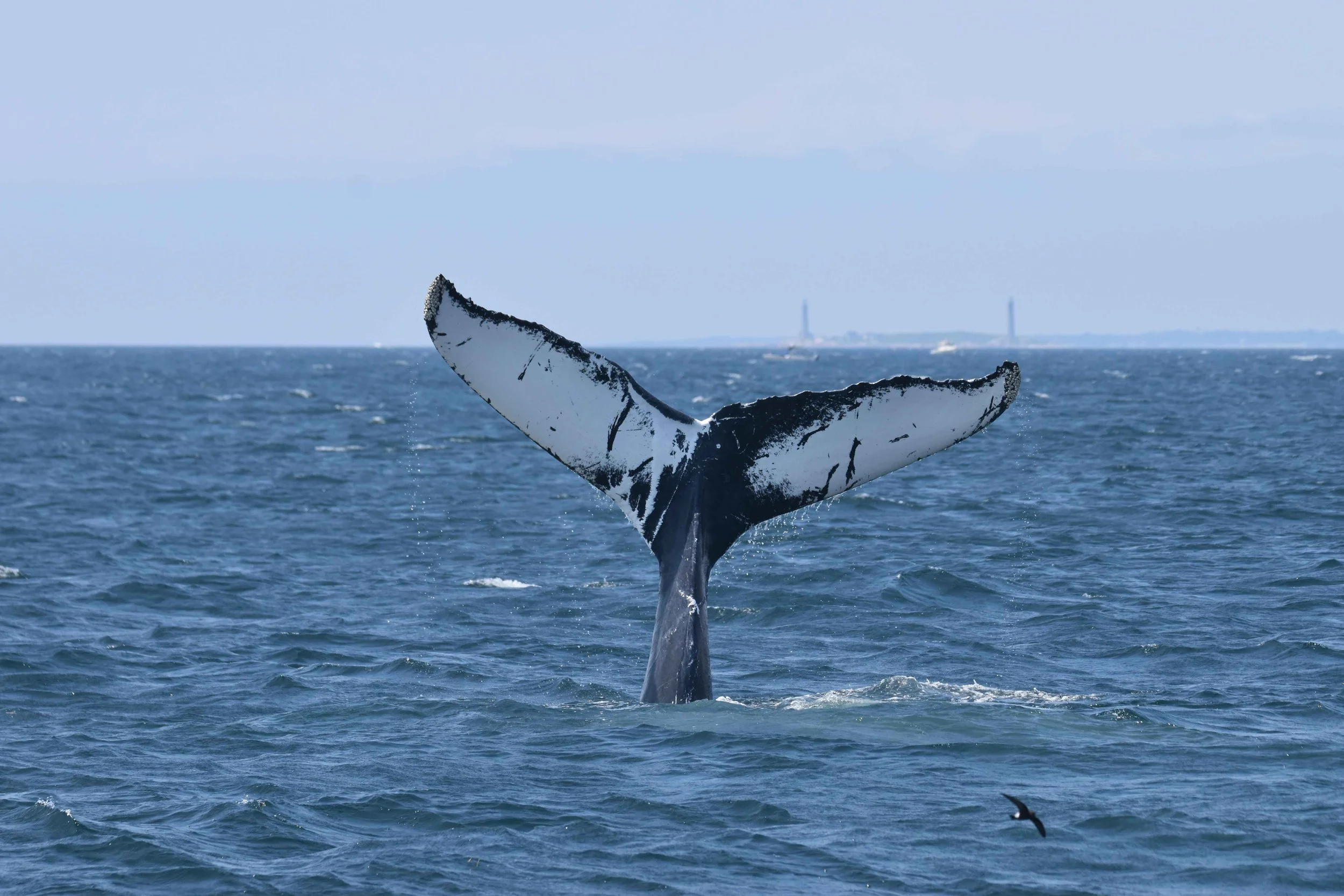
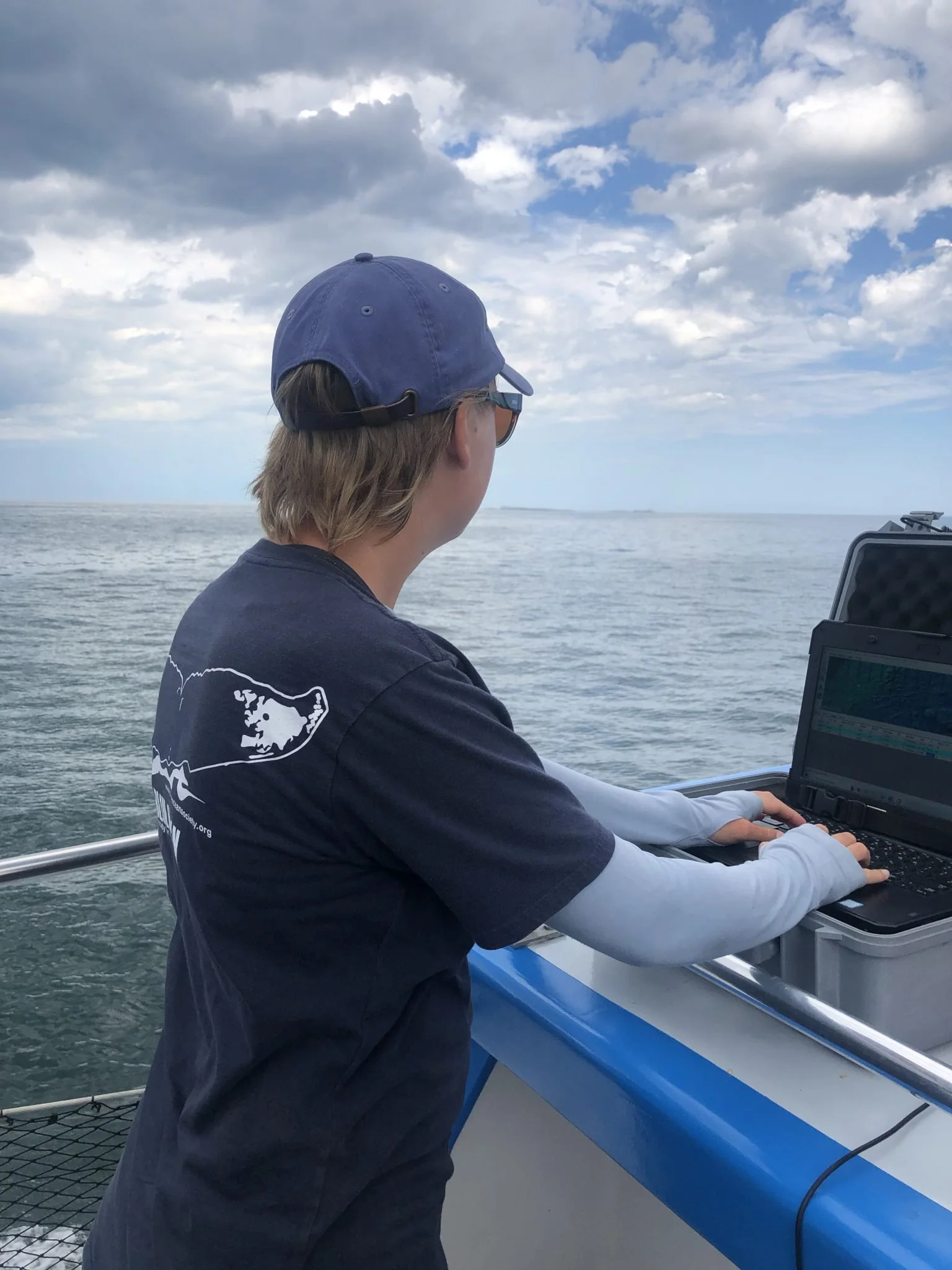
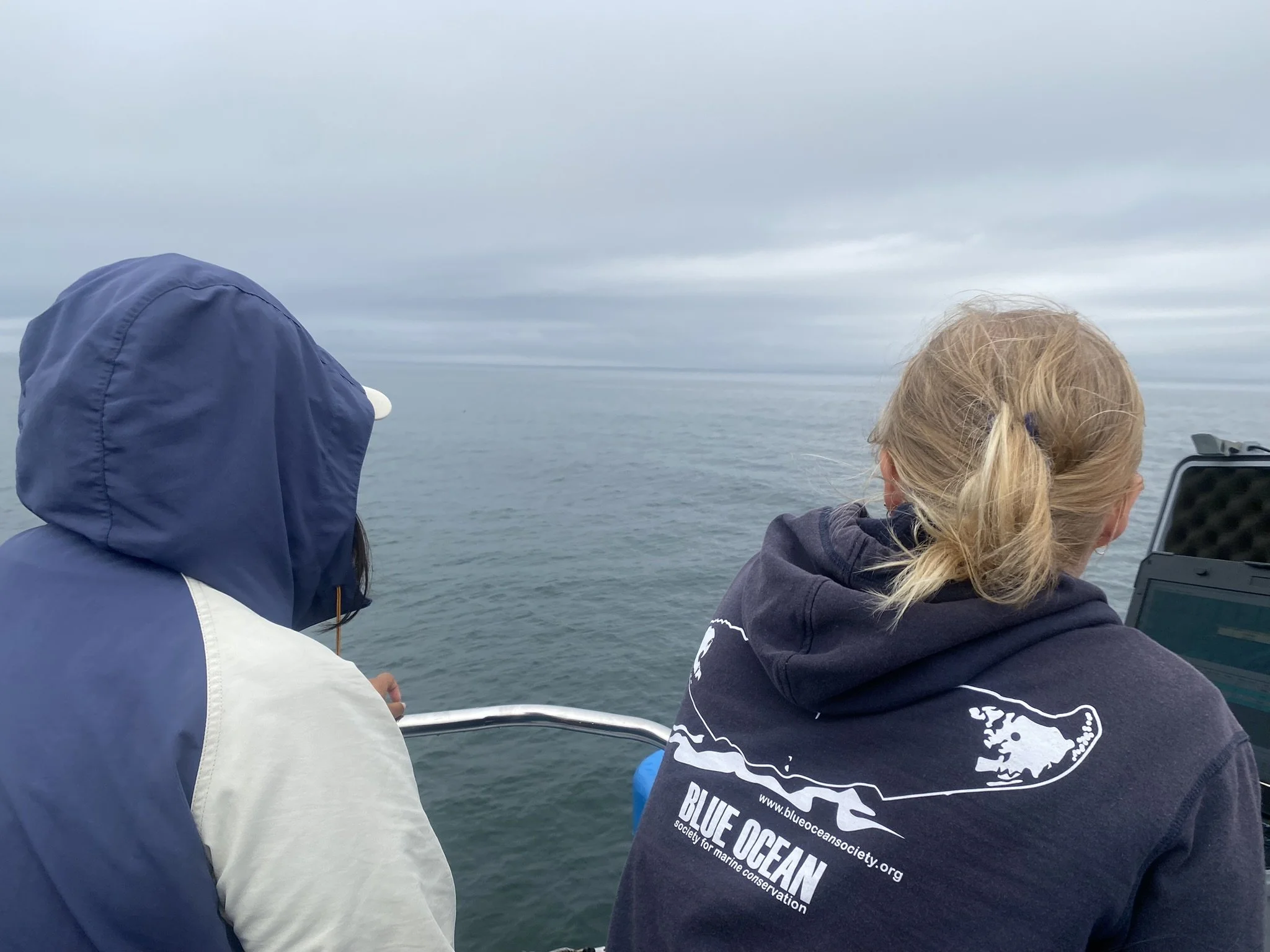
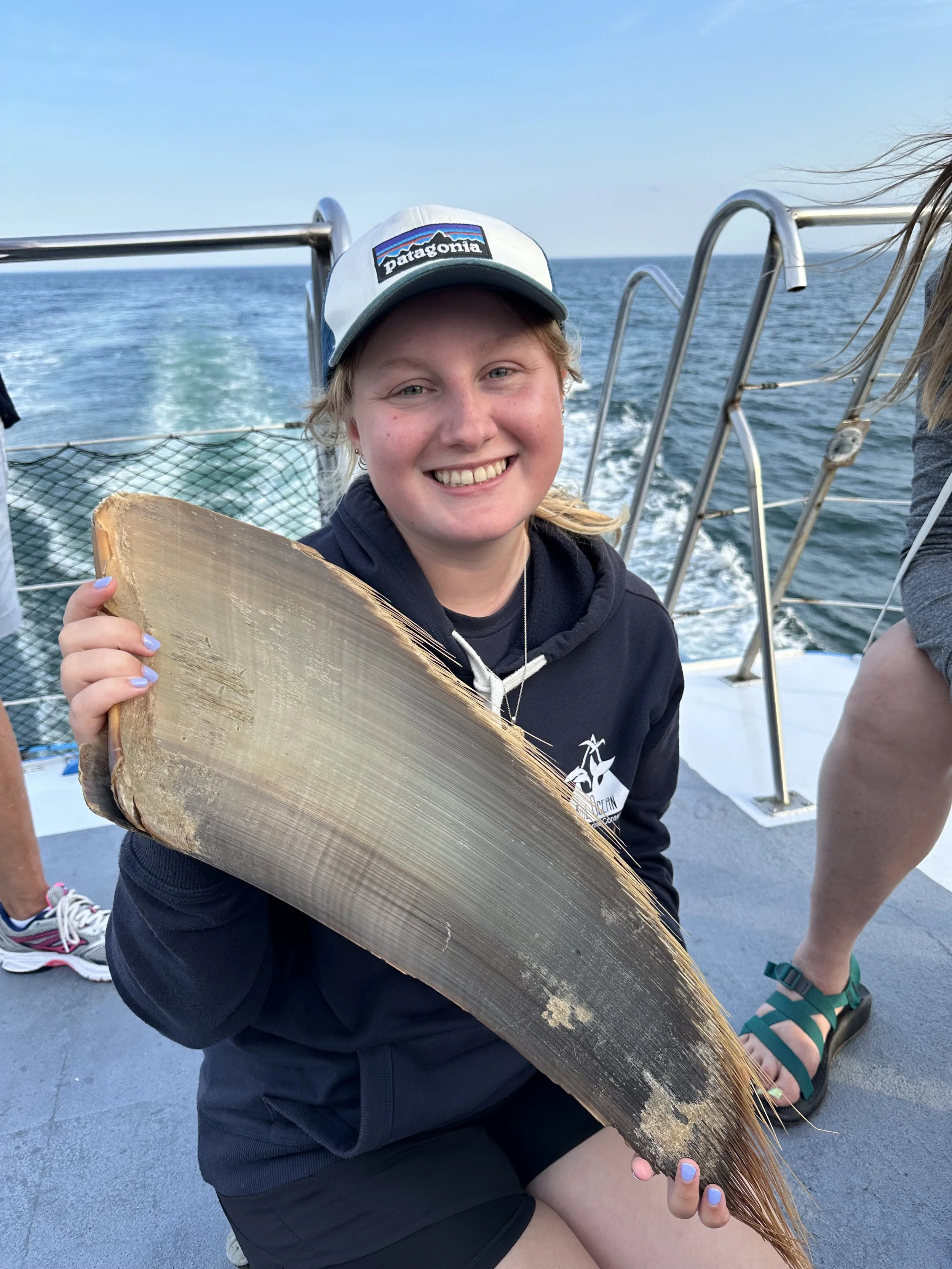
Since 1996, we’ve studied whales in the Gulf of Maine, focusing particularly on large baleen whales (fin and humpback whales). Our research is conducted primarily from commercial whale watching vessels, which provide a platform from which we can educate thousands of people each year while collecting unique data on the whales in our area and human impacts on these animals. Starting in 2020, we also began chartering vessels for dedicated research cruises, which have led to surprising spring and fall sightings.
Scope of study
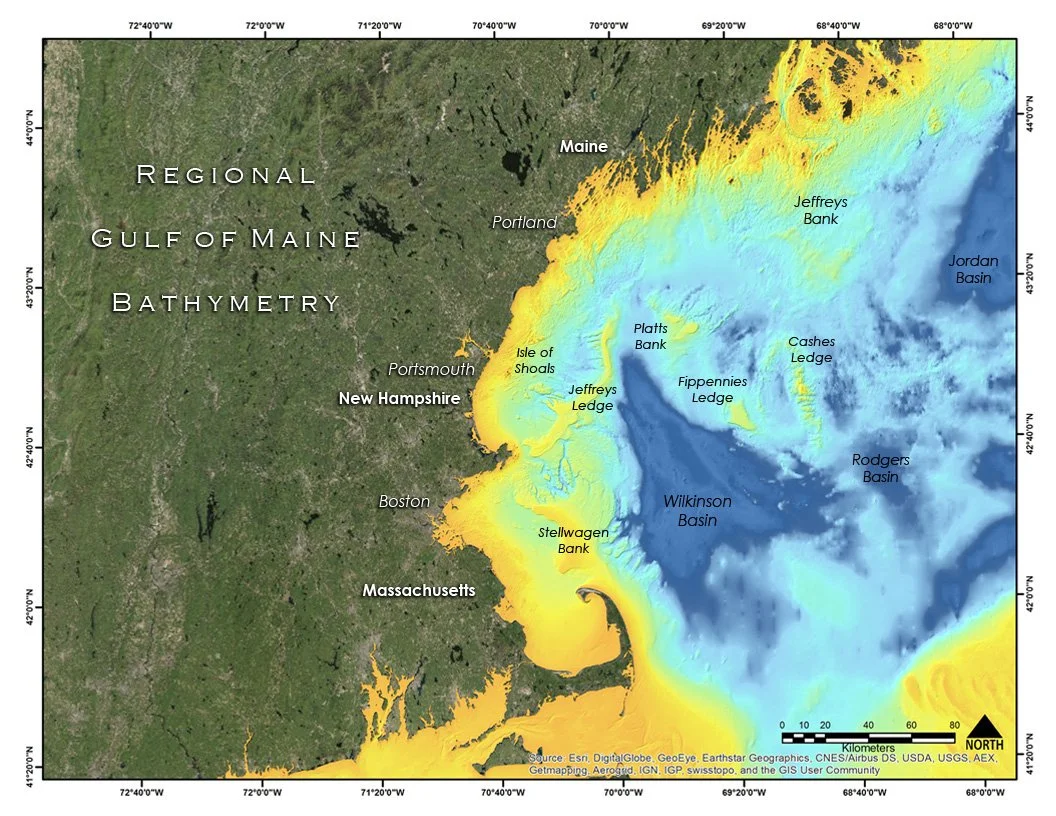
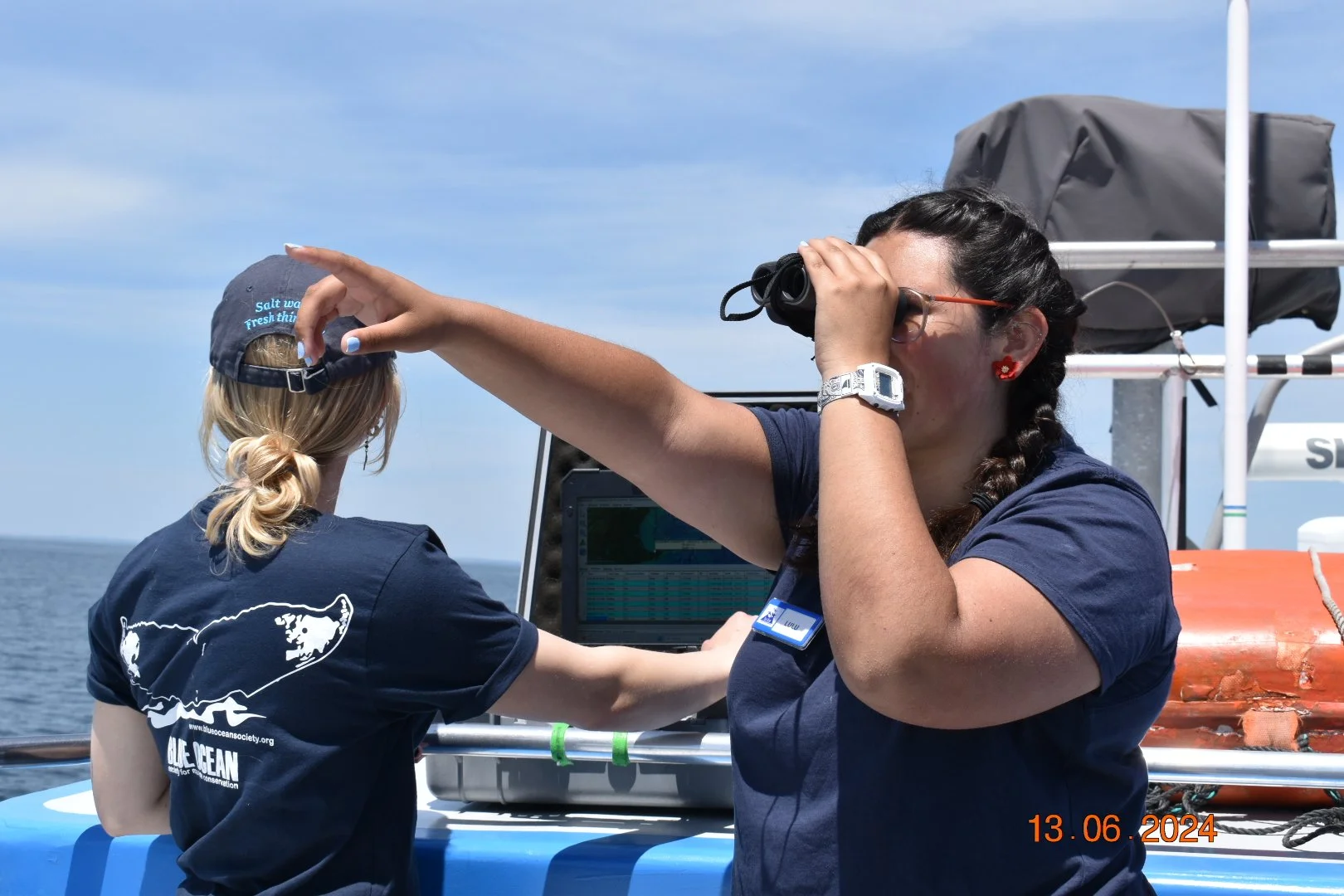
From May to October, we collect observational data on marine mammals and other sightings from local whale watch boats. Our research focuses primarily on and around Jeffreys Ledge, a productive area in the Gulf of Maine home to many species of fish and whales. We are the only organization to collect consistent data on the marine mammals inhabiting Jeffreys Ledge during the summer, and have been doing so since 1996. Between 2014-2018, we also worked in the Stellwagen Bank National Marine Sanctuary, which allowed us to collect additional data and compare sightings and habitat usage between these two very different habitats.
Identifying and cataloging local fin and humpback whales
Studying the distribution of whales, basking sharks, and ocean sunfish in the Gulf of Maine
Investigating long-term trends in distribution and social groups among marine mammals
Studying associations between species
Current research projects
About Jeffreys Ledge
Jeffreys Ledge is a 33-mile long rocky ledge which stretches from Cape Ann, Massachusetts to just southeast of Cape Elizabeth, Maine. Water depth on the ledge ranges from about 140-240 feet, while the water depth around the ledge drops off quickly to 250-600 feet. As the water depth decreases on the edge of the ledge, upwelling occurs which brings nutrients toward the surface, creating a productive habitat.