Beach Cleanups
Beach cleanups are a great way to get involved in protecting the marine environment! We offer several ways to get involved with beach cleanups, whether you want to organize your own group, join an existing event, or make a long-term commitment to a local beach. All cleanup options are free, though donations are appreciated to support our efforts!
While pollution prevention is our ultimate goal, we’re still committed to cleaning beaches as long as litter exists. With the help of volunteers, we’ve removed over 195,000 pounds of litter from our local beaches since 2001.
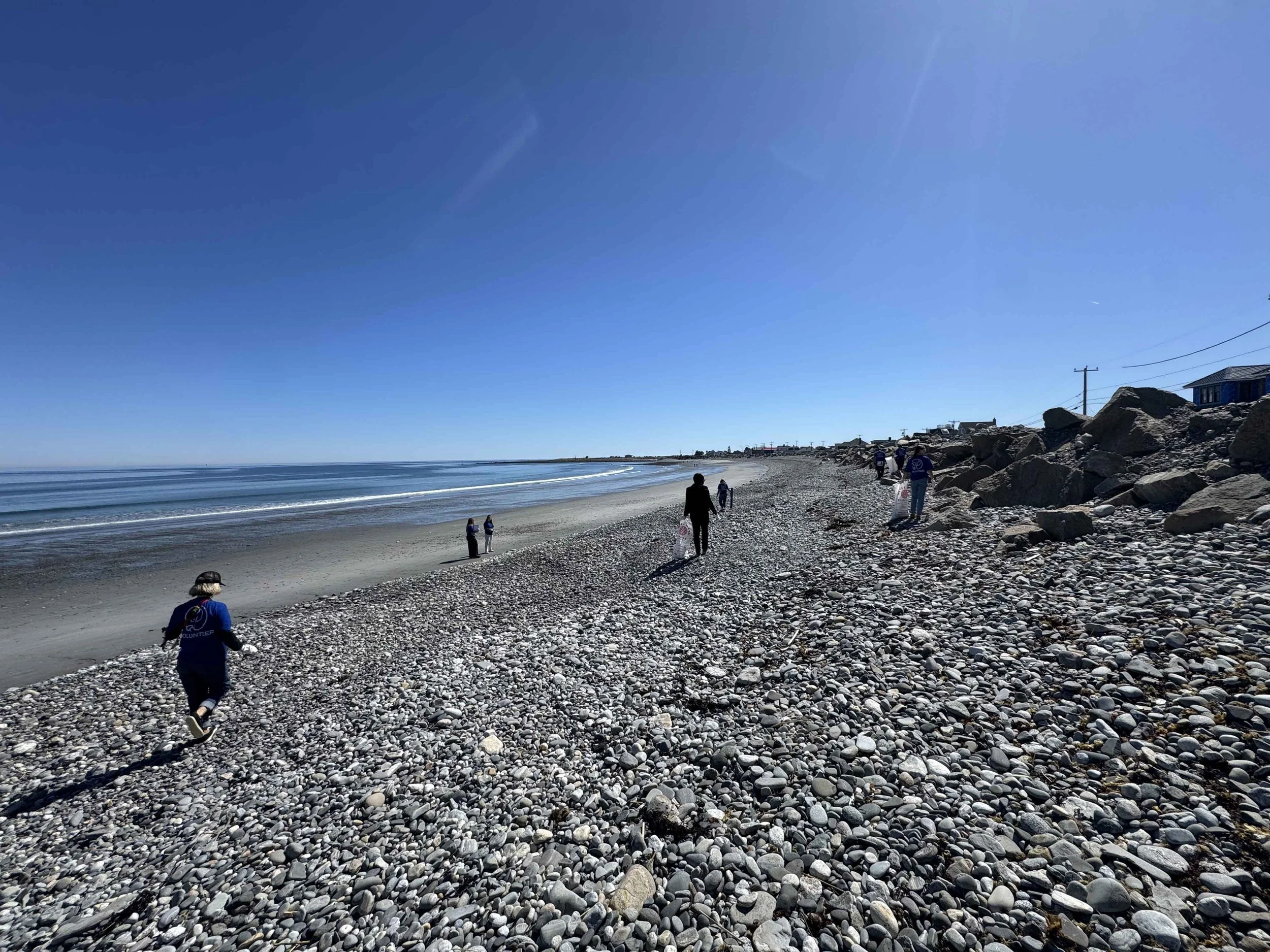
During our beach cleanups, we spend 2 hours collecting trash from a local beach and recording our findings, so you can also contribute to our long-term study on marine pollution. Our cleanups include a short presentation about local marine debris issues and ways you can help protect the marine environment. We’ll also weigh our trash at the end. It’s an excellent way for kids to learn, too!
Curious about what we’re finding on our beaches? View our 2025 Beach Cleanup Summary or view our Cleanup Data webpage to see the results of our ongoing marine debris study.
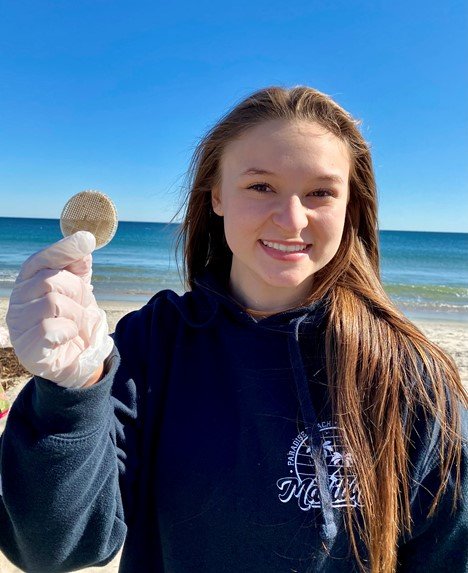
A National Honor Society student from Coe-Brown Northwood Academy holding a Hooksett Disk.
Beach Cleanup Options
OPTION 1
Cleanup Led by a Blue Ocean Society Team Member
Best for groups of 15 or more looking for a guided, educational experience.
Start by filling out our Cleanup Request Form.
After selecting this option on the form, you’ll be directed to our Calendly to choose from available time slots.
We’ll help choose a beach based on your group’s preference, tide conditions, and other scheduled cleanups.
We’ll send meeting and parking details about a week before the event.
A BOS team member will provide an introduction to Blue Ocean Society, explain our cleanup process, introduce data collection methods, and offer guidance during the cleanup.
We provide all materials except gloves.
Cleanups are limited to 2 hours, require a minimum of 15 participants, and take place within our coverage area (Portland, ME to Plum Island, MA).
OPTION 2
Self-Led Cleanup
Best for groups of any size who want to clean independently on their own schedule.
Start by filling out our Cleanup Request Form.
Follow our Digital Cleanup Kit to lead your own cleanup and contribute to our marine debris research.
Choose any date and time that works for you, and we’ll help select a location based on your preferences, tide conditions, and other scheduled cleanups.
You can borrow a cleanup kit (all materials included except gloves) from our Portsmouth office or Hampton location (open June–August).
Please note: BOS-led cleanups take priority, so we may ask you to adjust your location if there’s overlap.
OPTION 3
Join a Public Cleanup
Best for individuals, families or small groups who want to drop in and help.
Check out our Cleanup Request Form.
Register in advance and bring your gloves.
OPTION 4
Adopt-a-Beach
Best for groups or individuals looking to make a long-term impact through monthly cleanups.
Learn more and see which beaches are available for adoption on our Adopt-a-Beach Program page.
Choose a beach to adopt and commit to cleaning it once a month for twelve consecutive months. (excluding months with extreme weather).
We provide all the supplies you need to conduct your cleanups and collect data.
Your efforts contribute to our long-term marine debris research and help protect marine life.
A great option for families, community groups, businesses, and anyone looking to make a consistent difference.
What to Expect at Cleanups
We provide all necessary supplies except gloves. Please bring reusable gloves, such as gardening, thin winter, or work gloves, to help us avoid single-use plastic. Upon arrival, you will sign in with the Blue Ocean Society cleanup leader. The group will be divided into smaller teams of 4-6 individuals, each equipped with a clipboard to track data and a bag for collecting debris.
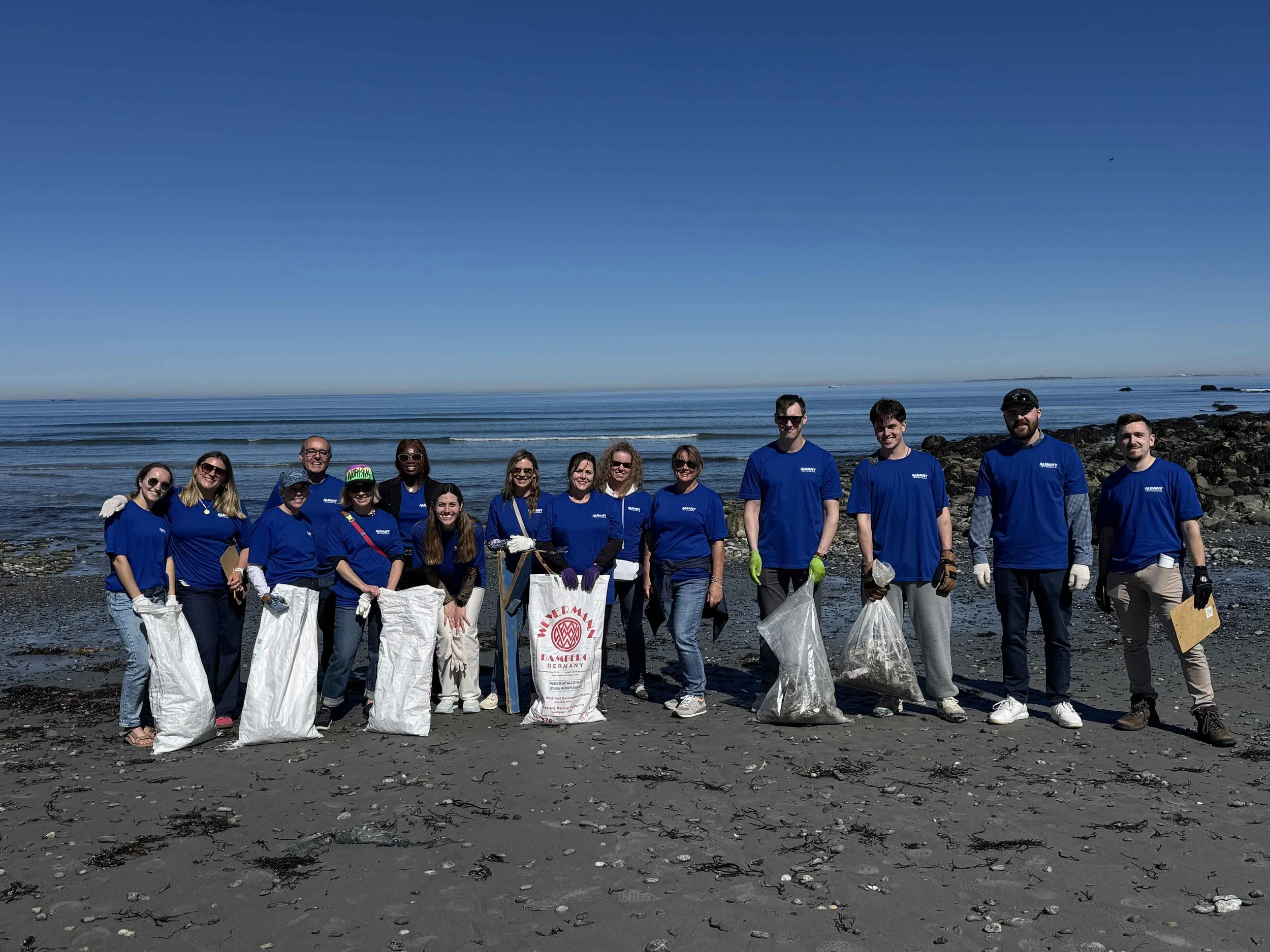
As you begin cleanup, your group will tally each piece of debris collected from the beach and record it in the appropriate material category on the datasheet. Data collected during Blue Ocean Society beach cleanups contribute significantly to marine debris research. After the cleanup, all participants will gather for a group photo and weigh the collected debris together.
We recommend wearing layers and comfortable close-toed shoes, as coastal temperatures can be 10-15 degrees cooler than inland areas. Most beach cleanups primarily involve collecting small items, such as cigarette butts and fragments, as these can otherwise be washed back out to sea during high tide. The importance lies in preventing these small pieces from floating worldwide through ocean currents and interacting with marine life.
Participating in beach cleanups serves the environment and has broader positive impacts on people, animals, the tourism industry, and the economy. Your contribution will play a crucial role in preserving the beauty of our beaches and protecting marine ecosystems!